The Role of Mineral Wool Insulation in Achieving Net-Zero Energy Buildings
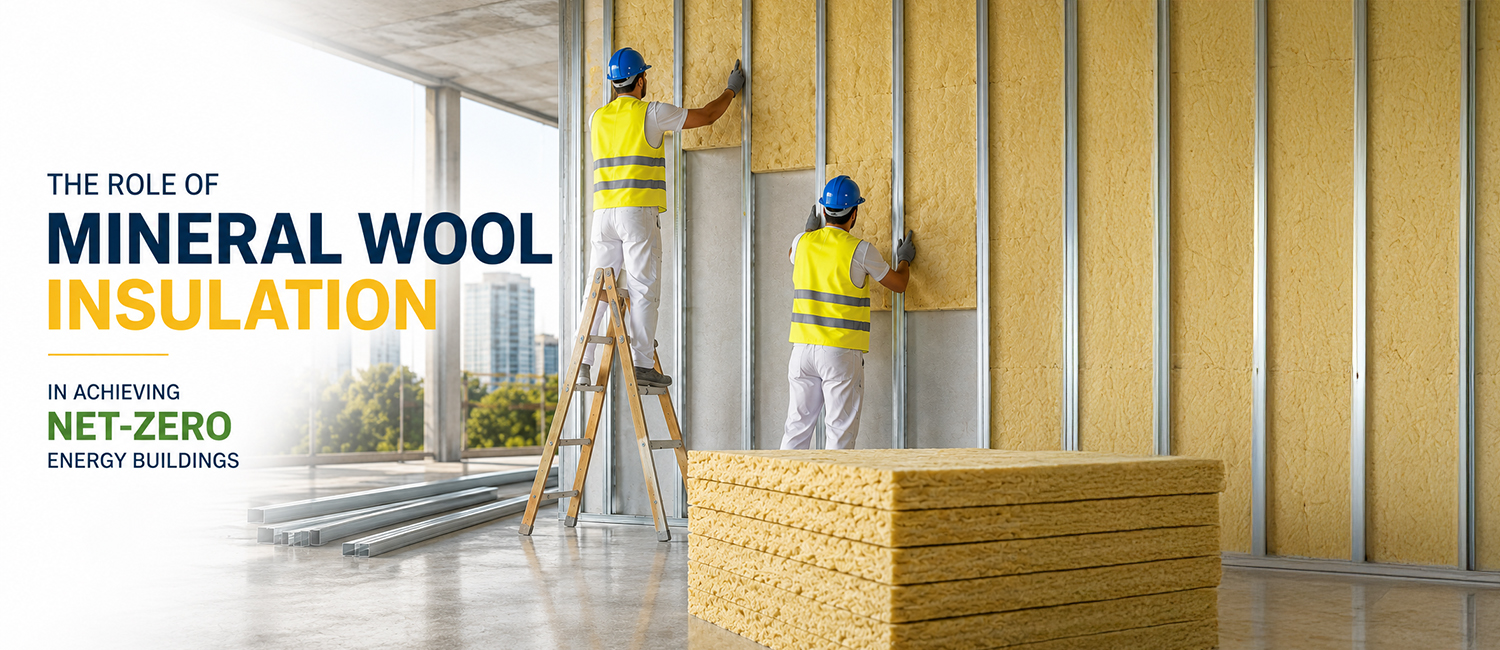
What if the easiest energy to save is the energy a building never needs to use?
That is the thinking behind net-zero energy buildings. While renewable energy plays an important role, reducing energy demand comes first. A well-designed building envelope, with the right building insulation material can significantly reduce unwanted heat transfer and the energy required for cooling and heating.
This is where mineral wool insulation, including glass wool and stone wool, plays an important role.
Why Insulation Is the First Step Towards Net Zero
Buildings constantly exchange heat with their surroundings. In a hot climate, heat enters through roofs and walls; in conditioned spaces, cooled air can also lose energy through ducts and equipment.
Mineral wool works as a thermal barrier. Its fibrous structure contains interconnected air spaces that restrict heat flow, helping improve the thermal resistance of the building envelope.
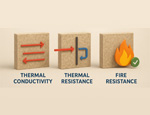
Two key terms help explain its performance:
- Thermal conductivity (λ-value): indicates how easily heat passes through a material. Lower values generally indicate better insulation performance.
- Thermal resistance (R-value): indicates how strongly a material resists heat flow and increases with insulation thickness.
The result? Better insulation can mean less heat entering or leaving the building and, consequently, a lower load on air-conditioning systems.
From Roofs to Walls: Where Mineral Wool Makes a Difference
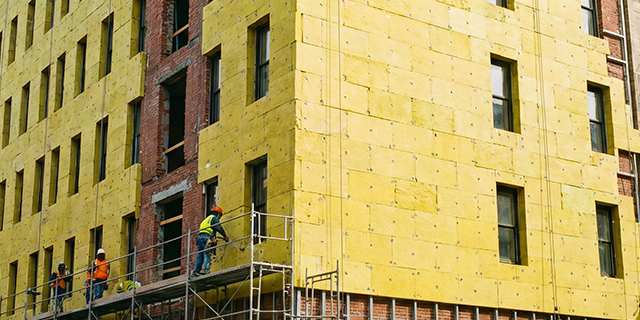
Roof insulation
The roof is one of the building envelope's most exposed surfaces. Effective roof insulation helps reduce heat transfer from the outside environment into the occupied space, supporting thermal comfort and reducing cooling demand.
Thermal wall insulation
Walls can also be a significant pathway for heat transfer. Proper thermal wall insulation improves the thermal performance of the wall assembly. However, insulation needs to be continuous and correctly installed gaps, compression and thermal bridges can compromise the intended performance.
HVAC insulation
Energy efficiency does not stop at the building envelope. Once conditioned air is generated, it needs to be delivered efficiently.
HVAC insulation helps reduce unwanted heat transfer through ducts and equipment, helping systems maintain the required temperature more efficiently. Mineral wool can also contribute to acoustic and fire-performance requirements in HVAC applications.
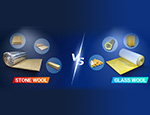
Glass Wool or Stone Wool: Which One for a Net-Zero Building?
Both are thermal insulation materials, but their characteristics make them suitable for different applications.
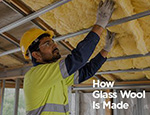
Glass wool is lightweight, resilient and versatile. It is widely used in commercial buildings, PEBs, drywalls, roofs and HVAC applications, offering thermal and acoustic performance along with non-combustibility.
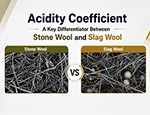
Stone wool insulation, also known as rock wool insulation, is made from natural rock such as basalt and is particularly suited to applications where high-temperature performance, fire protection and mechanical strength are important. Saint-Gobain's stone wool range can withstand service temperatures of up to 750°C, depending on the product and application. So, there is no universal "better" material. The right choice depends on the building design, thermal requirements, fire performance, operating temperature, available space and application.
Net Zero Is About More Than Energy Savings
A high-performance building should not only consume less energy. It should also be safe, comfortable and designed for long-term performance.
This is where mineral wool offers an important advantage.
Glass wool and stone wool are non combustible insulation solutions that can contribute to fire-safe building assemblies. Their non-combustible nature means they do not act as fuel for fire, while specific product fire performance depends on the complete system and applicable standards.
Mineral wool also supports acoustic comfort, making it more than simply a fire resistant insulation material. It can address multiple building-performance requirements within a single insulation strategy.
And sustainability goes beyond operational energy. Glass wool can be manufactured using recycled glass, while both glass wool and stone wool can contribute to sustainable building strategies when the right product, thickness and application are selected.
How Should Mineral Wool Be Specified?
Choosing high-performance mineral wool insulation is only the beginning.
For the insulation to deliver its intended performance, designers and consultants should consider:
- Required U-value and thermal performance
- Insulation thickness and thermal conductivity
- Continuity of insulation and thermal bridges
- Building type and climatic conditions
- Fire and acoustic requirements
- Correct installation and detailing
The goal is simple: use less energy without compromising comfort, safety or performance.
Building Better for a Net-Zero Future
Net-zero buildings are not created by one technology. They are created through smarter decisions at every stage of design from the building envelope to HVAC systems and energy generation.
By reducing heat transfer through roofs, walls and technical installations, mineral wool insulation can help lower energy demand while also supporting thermal comfort, acoustic performance and fire safety.
Because sometimes the most sustainable energy is the energy a building doesn't need to use.
If you want to learn more or have a question about the various thermal insulation materials that Saint-Gobain offers, such as glass wool and stone wool, feel free to reach out to us at sgindia.insulation@saint-gobain.com.
Latest Blogs