category banner

Glass Wool Insulation

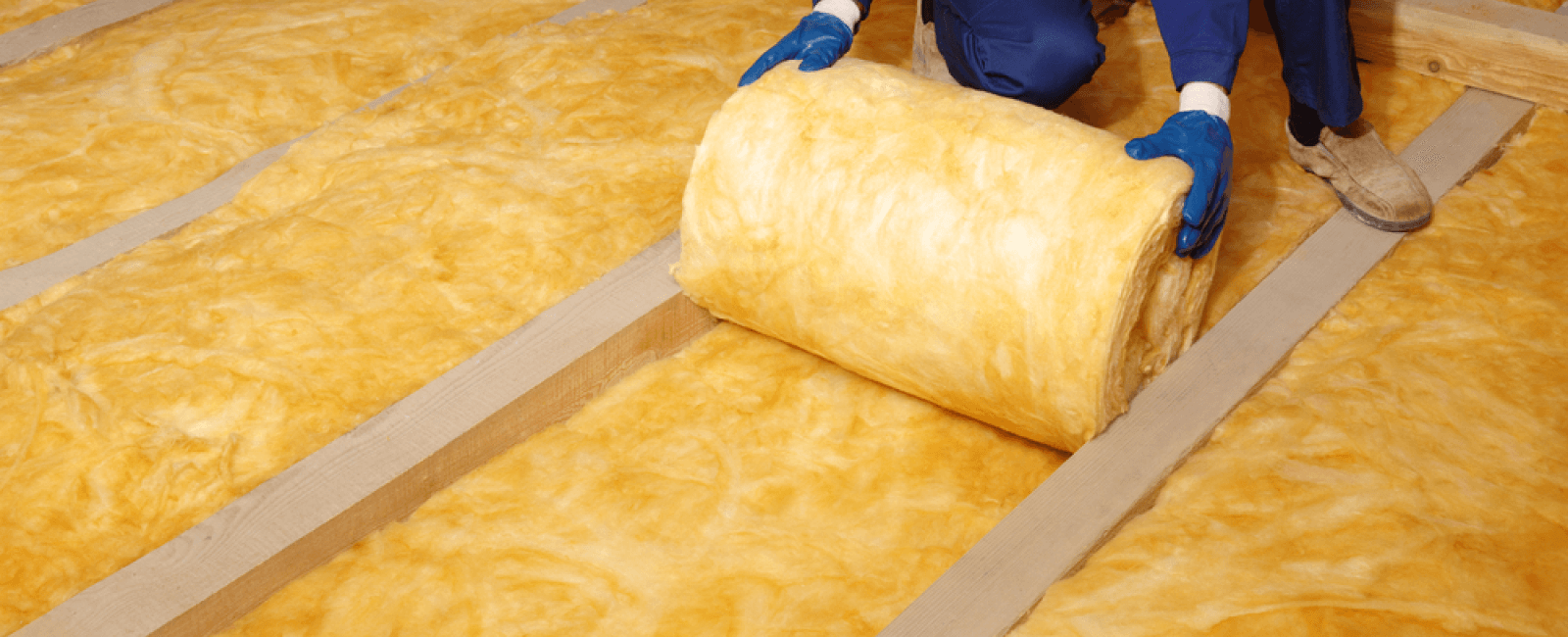
Glass wool, also known as fiberglass insulation, is made by melting glass and other minerals with a significant percentage of recycled content. This melt is then converted to resilient fiber form. The glass wool insulation is lightweight and can be used upto a service temperature of 230oC. It can be used in all general-purpose applications such as pre-engineered building, commercial building, drywall partition, HVAC and automobile.

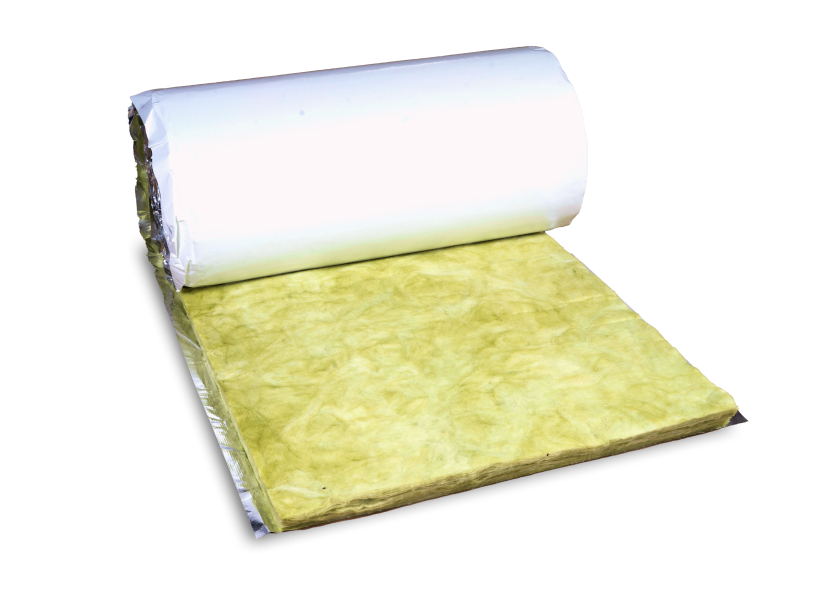
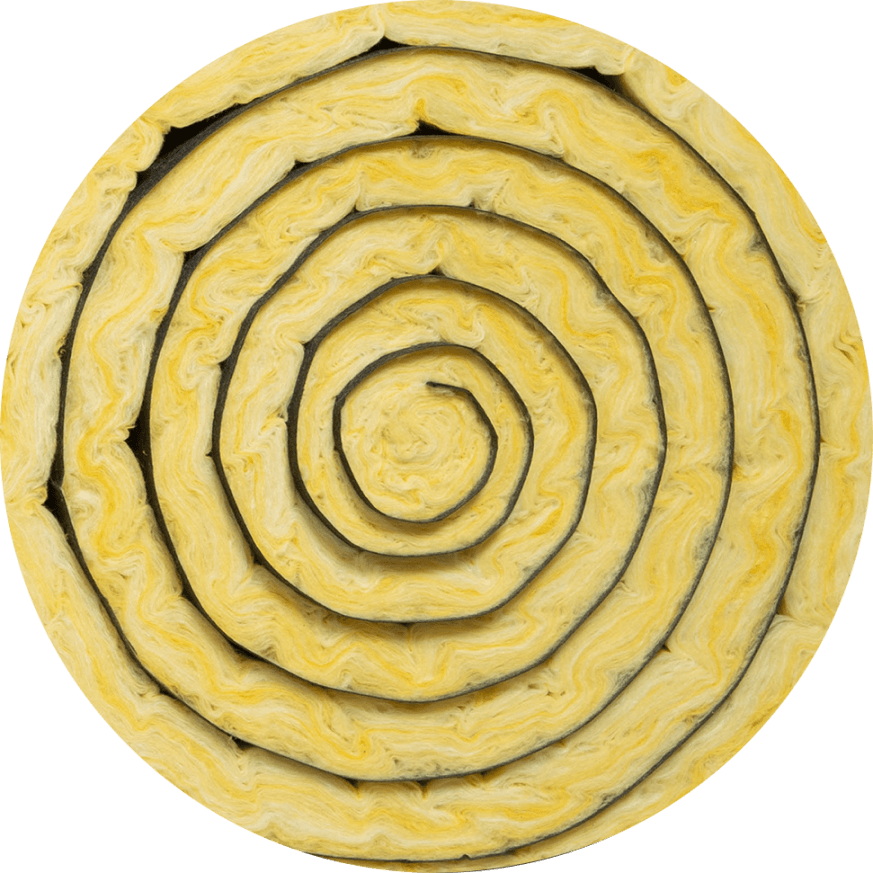
Roll

Roll

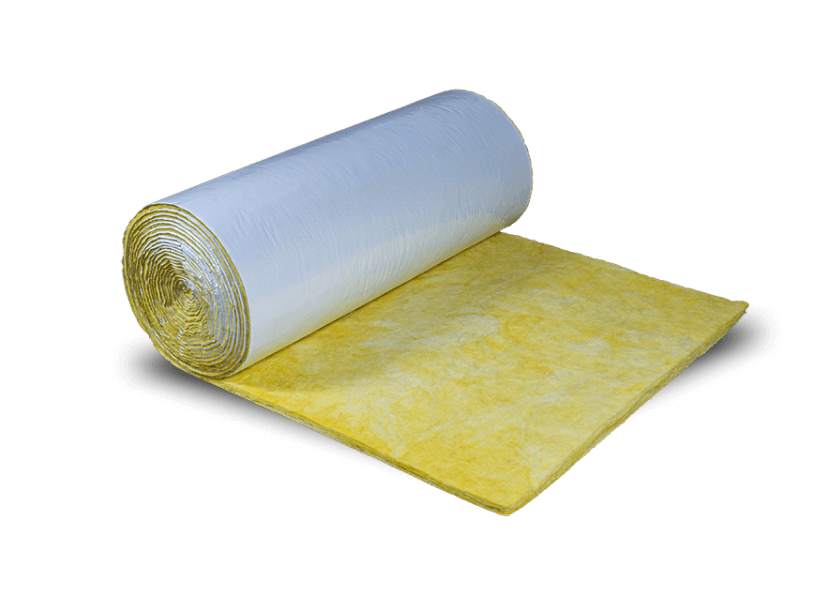
Long, resilient and flexible blankets: plain or with factory applied facings

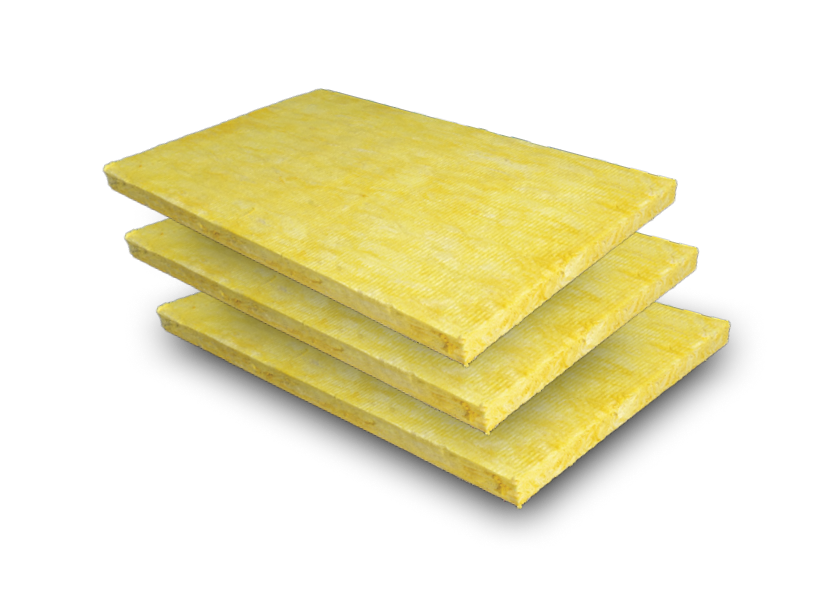
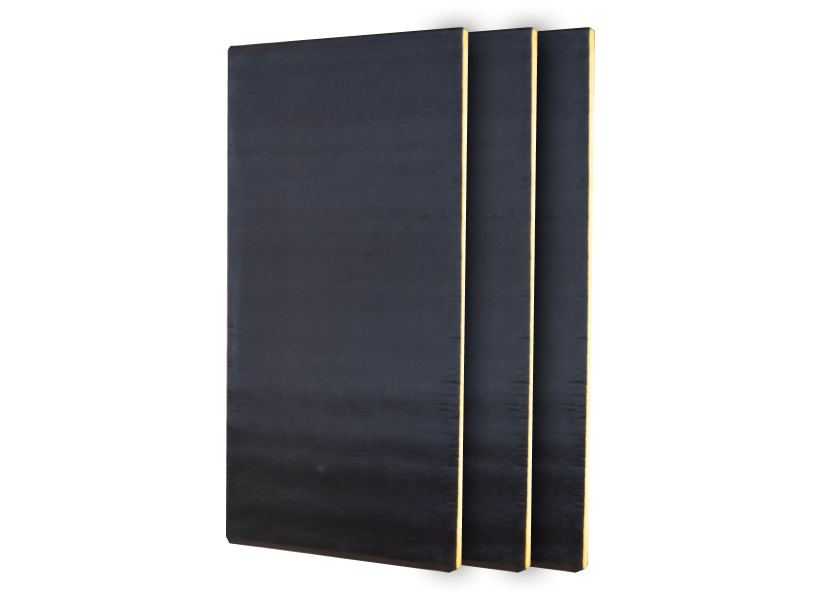
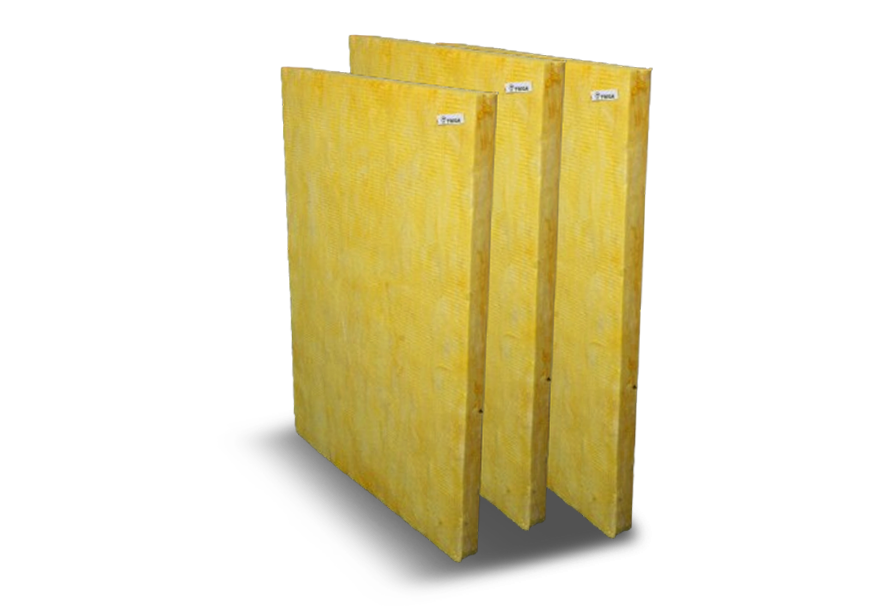
Board

Board

Rigid and semi-rigid product in short and long sizes

ecoinsul

Eco Insul

Soft product with green binder in roll and board form

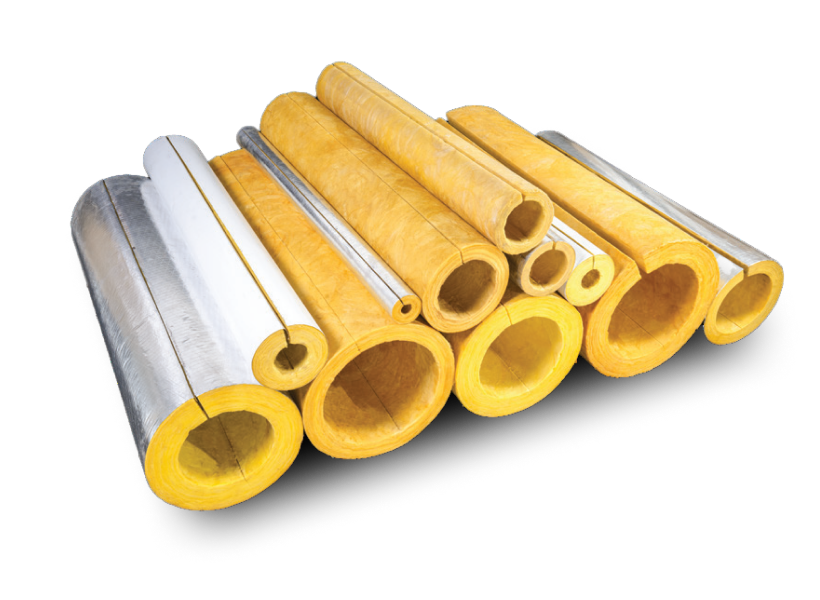
gs pipeinsul

Pipe Insulation

Preformed pipe section and Lamella mat

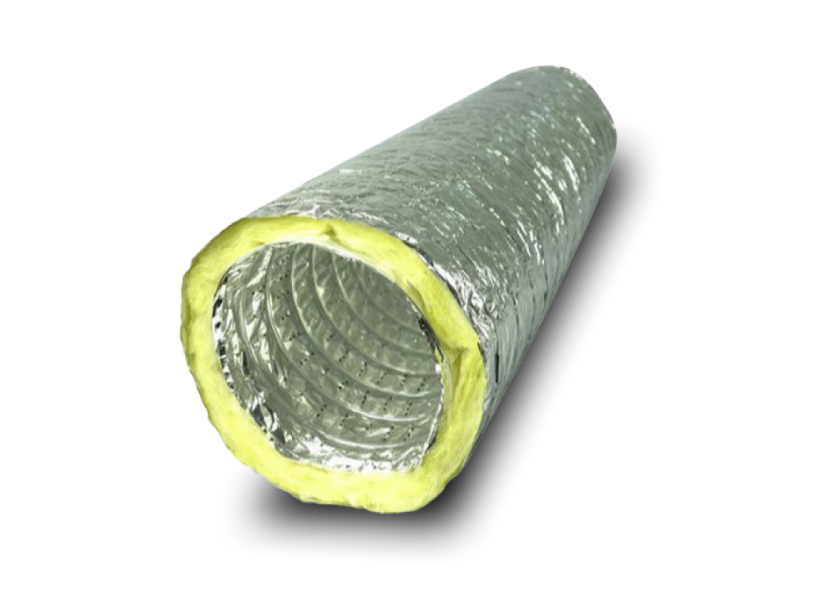
flexible duct

Flexible Duct

Insulated and Uninsulated

Acoustic Panels and Foam

Acoustic Board

Rigid board with textile facings for acoustic sensetive area

Glass Wool Board

Mineral Fiber Marine Board (MFMB)

Also known as Mineral Wool Marine Board (MWMB) / Mineral Fiber Resin Board (MFRB)

1 / 7
Why Choose
Glass Wool?

Advantages

  • Maintain cooler spaces
  • Comfortable living
  • Increased productivity

  • Minimizes heat inflow
  • Reduces load on air-conditioning systems
  • Saves energy by upto 13%

  • High sound absorption , NRC upto 0.95
  • Low sound transmission , STC upto 55 dB reduction
  • Maintains acoustic privacy
  • Reduces echo

  • Non-combustible
  • No fire propagation
  • Does not emit toxic fumes and smoke

  • Biosoluble
  • EUCEB certified

  • No shot content
  • Least leachable content
  • No VOC

  • Low mass - Low embodied carbon
  • Reduces structural load
  • Eliminates need for weld mesh
  • Requires less accessories / support
  • Reusable

  • Compressible upto 1/10th of its original volume
  • Reduced storage space

  • Roll form for curved surfaces
  • Board form for rigidity
  • Lightweight

  • Offered in roll or board form
  • Customized lengths : reduces joints and wastage
  • Single or both side factory applied facings
  • Aluminium , textile or polypropylene facings to suit any application

  • Non-settling fibers
  • Chemically stable
  • Low water absorption
  • No mold growth
why choose banner
Applications

Where can you use Glass Wool?

Due to its properties, glass wool is a preferred product for all major applications.

With a service temperature ranging from sub-zero to +230oC, glass wool can be used for cryogenic applications, pre-engineered buildings (PEB), commercial buildings, HVAC, mobility and transportation, infrastructure and more.

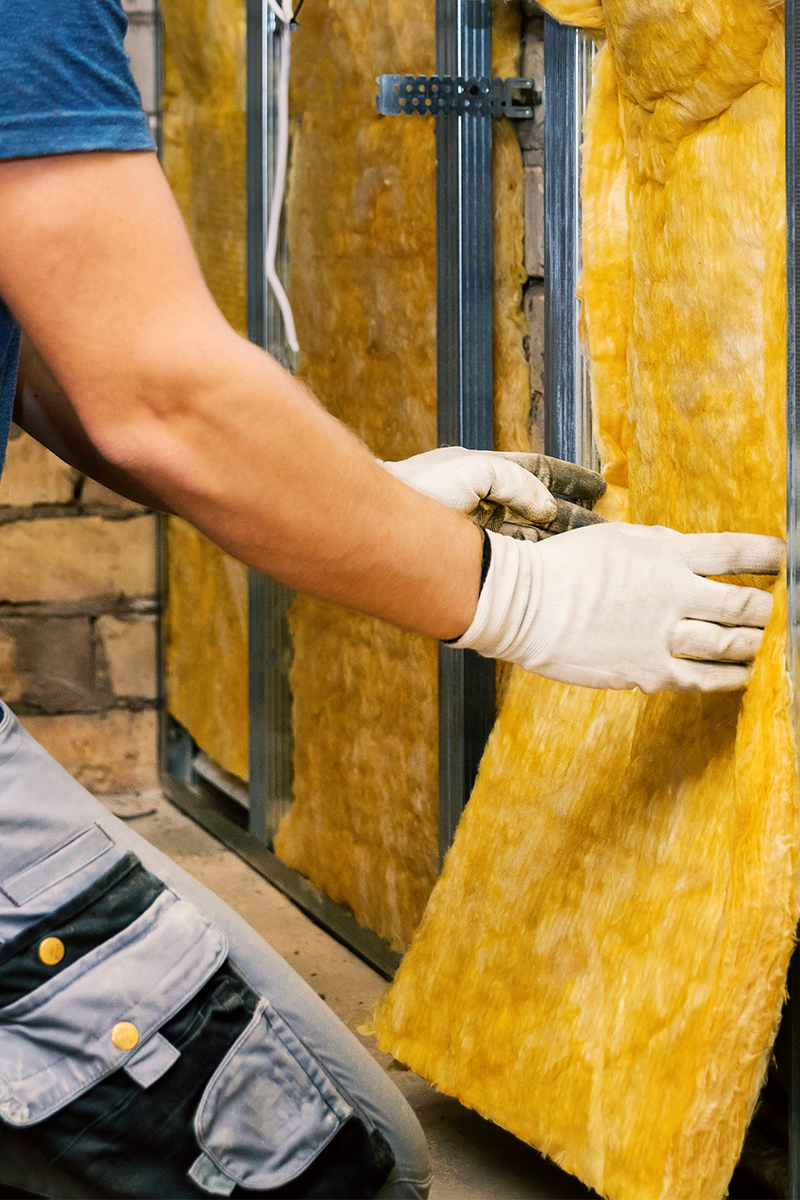
With multiple benefits to offer, glass wool is used in ceiling (underdeck, overdeck), wall, partition, façade, duct, acoustic walls, auditoriums, theatres to name a few.

How Glass Wool Works?

How Glass
Wool Works?

Fiberglass insulation has a laminar structure with interconnected air pockets. This creates adequate resistance to the air flow path, thereby reducing heat
and sound transmission.
Process

How is Glass Wool Made?

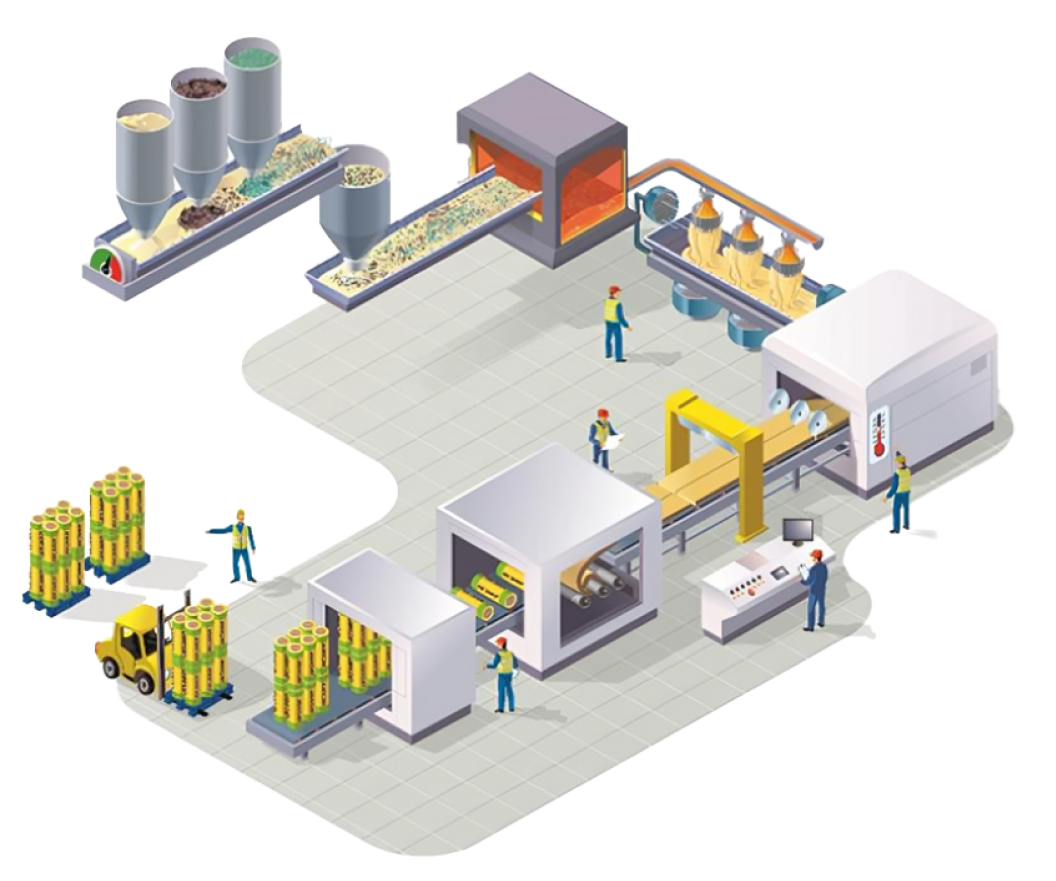
Glass wool, also known as fiberglass insulation or resin bonded glass wool, is made of fused borosilicate glass which is inorganic in nature. This is melted at very high temperature and fibers of long lengths are spun from it.

The uniformly distributed fibers are cured in an oven with a binder and converted to boards and rolls of required  density, and dimensions. Factory applied facings on one side or both sides of the insulation are then applied to suit the application requirements.

info graphic
BATCH
BATCH

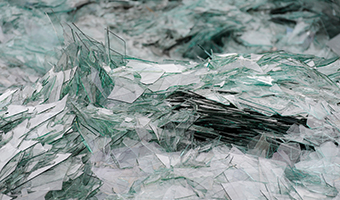
Sand, soda ash, limestone and recycled glass are stored in silos, weighed, mixed and poured into a furnace.

MELTING
MELTING

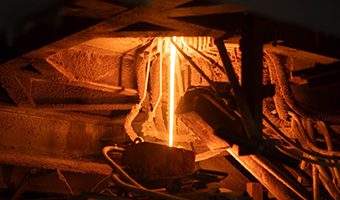
The mixture is melted at high temperature in an electric or gas furnace. 

FIBERIZING
FIBERIZING

The liquid glass is propelled by a centrifugal spinner to create the fibers. These are sprayed with a binder and shaped into a blanket.

CURING
CURING

The blanket passes through a curing oven where it is compressed to achieve its final thickness.

CUTTING
CUTTING

The blanket is cut to the required width. Off-cuts are recycled. A facing can eventually be glued to the blanket. 

PACKAGING
PACKAGING

The end of the line is equipped with a rolling machine for mats and a stacking machine for boards.

PALLETIZATION
PALLETIZATION

The glass wool can be compressed to up to a tenth of its volume. Multiple rolls of glass wool can be packed onto a single pallet.

Frequently Asked Questions

Glass Wool is one of the most sustainable insulation materials available. It is manufactured using recycled glass and natural sand, has low embodied carbon, and is fully recyclable at the end of its life. It contributes significantly to green building certifications and circular economy goals.

Yes, Glass Wool can be used in humid environments when properly enclosed or coated. However, in highly corrosive industrial settings, additional protective layers or vapor barriers may be recommended to prevent moisture ingress and ensure long-term performance.

Selection depends on application type—whether it's HVAC, wall insulation, roofing, or industrial piping. Factors like thermal resistance (R-value), fire rating, acoustic needs, and environmental conditions should be considered. Saint-Gobain’s technical team can assist with tailored recommendations.

Glass Wool typically offers an R-value ranging from 2.2 to 3.5 per inch, depending on density and thickness. It provides consistent thermal performance over time, making it ideal for energy-efficient insulation systems.

Glass Wool can withstand temperatures up to 250°C without degradation. For applications requiring higher thermal resistance, specialized products or mineral wool alternatives may be recommended.

Saint-Gobain Glass Wool complies with IS 8183, EN 13162, and other international standards for thermal insulation. Products are also tested for fire safety, acoustic performance, and environmental impact, ensuring full regulatory compliance.

Yes. Glass Wool is recyclable and can be reprocessed into new insulation products or other glass-based materials, supporting circular economy principles and reducing landfill waste.

While Glass Wool performs well in moderate to low temperatures, in cryogenic or sub-zero industrial applications, materials like cellular glass or specialized foams may offer better thermal stability and moisture resistance.

Glass Wool is naturally water-repellent but not waterproof. It resists moisture absorption better than organic materials but may require vapor barriers in high-humidity or condensation-prone environments to maintain performance.

Proper installation includes ensuring full coverage without gaps, using appropriate facings or vapor barriers, and securing the material to prevent sagging. For acoustic applications, maintaining air gaps and avoiding compression are key to optimal sound absorption.

By reducing heat gain and loss, Glass Wool improves building envelope performance, allowing for more efficient HVAC system sizing. This leads to lower energy consumption, reduced operational costs, and improved indoor comfort.

Glass Wool is non-combustible and helps contain fire spread by resisting ignition and slowing heat transfer. It plays a critical role in passive fire protection systems, supporting compliance with fire safety regulations and enhancing occupant safety.

Driving Energy Efficiency in Industrial & Commercial Insulation

Glass Wool is a strategic component in energy management, offering excellent thermal insulation that helps reduce energy consumption and operational costs. Widely used in industrial insulation solutions and commercial insulation systems, it supports energy efficiency in insulation through lightweight design, fire safety, and long-term performance. A reliable choice for sustainable and cost-effective thermal control.

Sustainability as a Core Business Imperative

Saint-Gobain leads the way in sustainable insulation solutions with Glass Wool that supports low carbon construction and circular economy goals. Manufactured using recycled glass and energy-efficient processes, it helps reduce embodied carbon and enables green building certifications. As a proven green building material, Glass Wool aligns with global sustainability standards and long-term environmental responsibility.

Advanced Fire Safety Solutions for High-Risk Environments

Glass Wool is inherently non-combustible, making it a reliable choice for passive fire protection in industrial and commercial buildings. It helps mitigate fire risks by resisting ignition and slowing heat transfer, offering critical protection in high-risk zones. By supporting fire safety compliance with global standards, Glass Wool enables safer infrastructure and peace of mind for facility managers and engineers. Its performance under extreme conditions makes it a trusted solution for long-term fire resilience.

Regulatory Compliance & Industry Standards Leadership

Saint-Gobain’s Glass Wool insulation is engineered to meet and exceed industry benchmarks, including the IS 8183 standard for thermal insulation. Our commitment to quality, safety, and performance ensures that every product aligns with evolving regulatory requirements. As a leader in certified insulation products, we provide industrial and commercial partners with peace of mind and dependable compliance. Our solutions reflect deep expertise in insulation industry compliance and global best practices.

Global Expertise, Local Manufacturing Excellence

Saint-Gobain’s insulation business, globally known as Isover, brings decades of expertise in engineered insulation systems. Our advanced manufacturing facilities in India combine global R&D leadership with local execution to deliver high-performance Glass Wool solutions. As a trusted glass wool manufacturer in India, we ensure consistent quality, regulatory compliance, and supply reliability. This synergy of global insulation expertise and local insulation production enables us to meet evolving industrial and environmental demands with precision and confidence.