Industrial Insulation Specifications for Reducing Heat Loss, Energy Costs, and Carbon Emissions
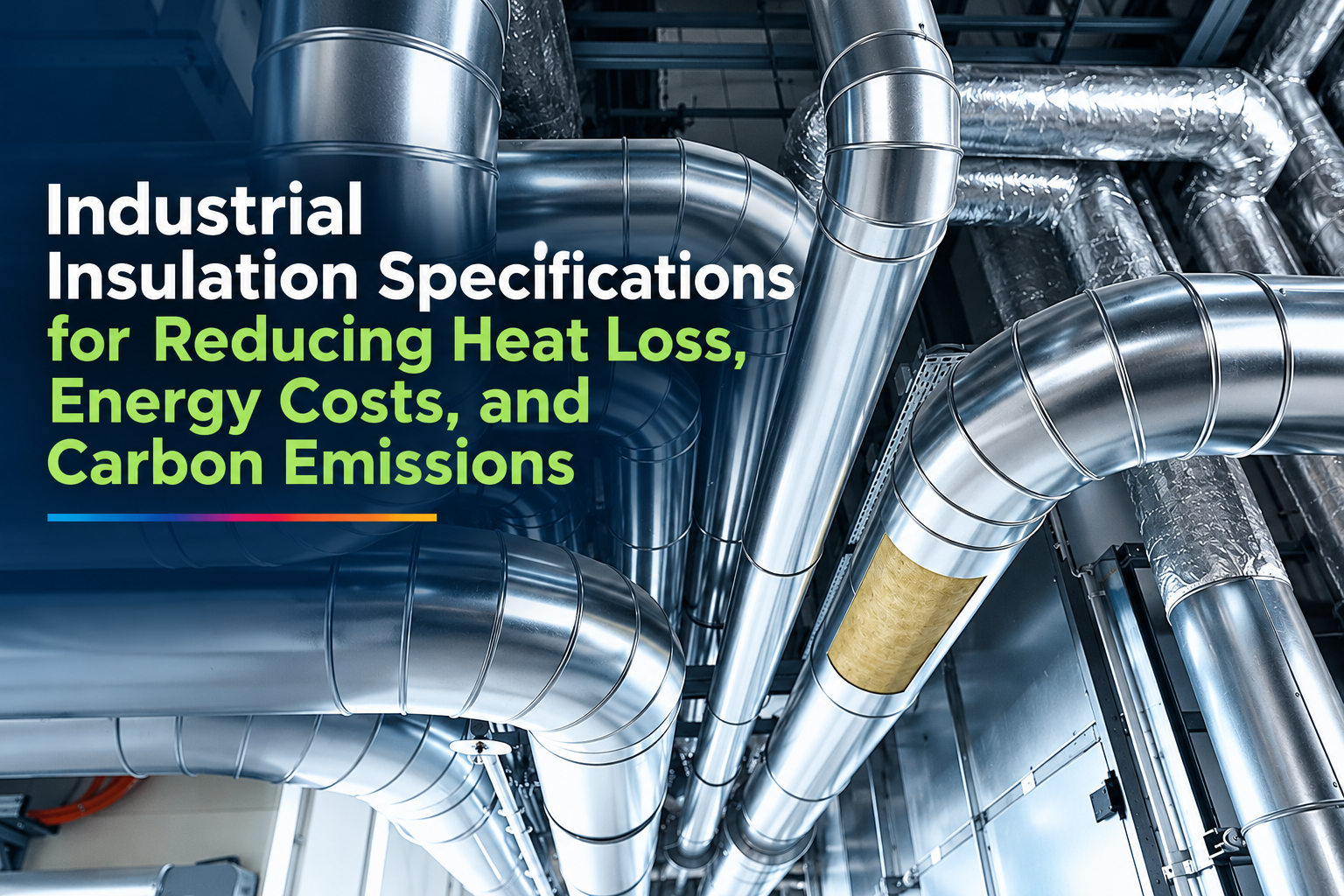
In our previous article, Choosing the Right Insulation , we discussed how to select the most suitable insulation for industrial applications based on operating temperature, service requirements, ambient conditions, and other critical factors. We also reviewed the various standards used for thermal calculations and insulation design.
In this article, we address some of the most common concerns encountered in high-temperature applications:
- Why is my insulation disintegrating faster than expected?
- Why do actual energy savings differ from calculated estimates?
- Why is temperature drop across the pipeline higher than anticipated?
- Why does surface temperature remain above the prescribed limit?
- Why is fuel consumption higher than expected?
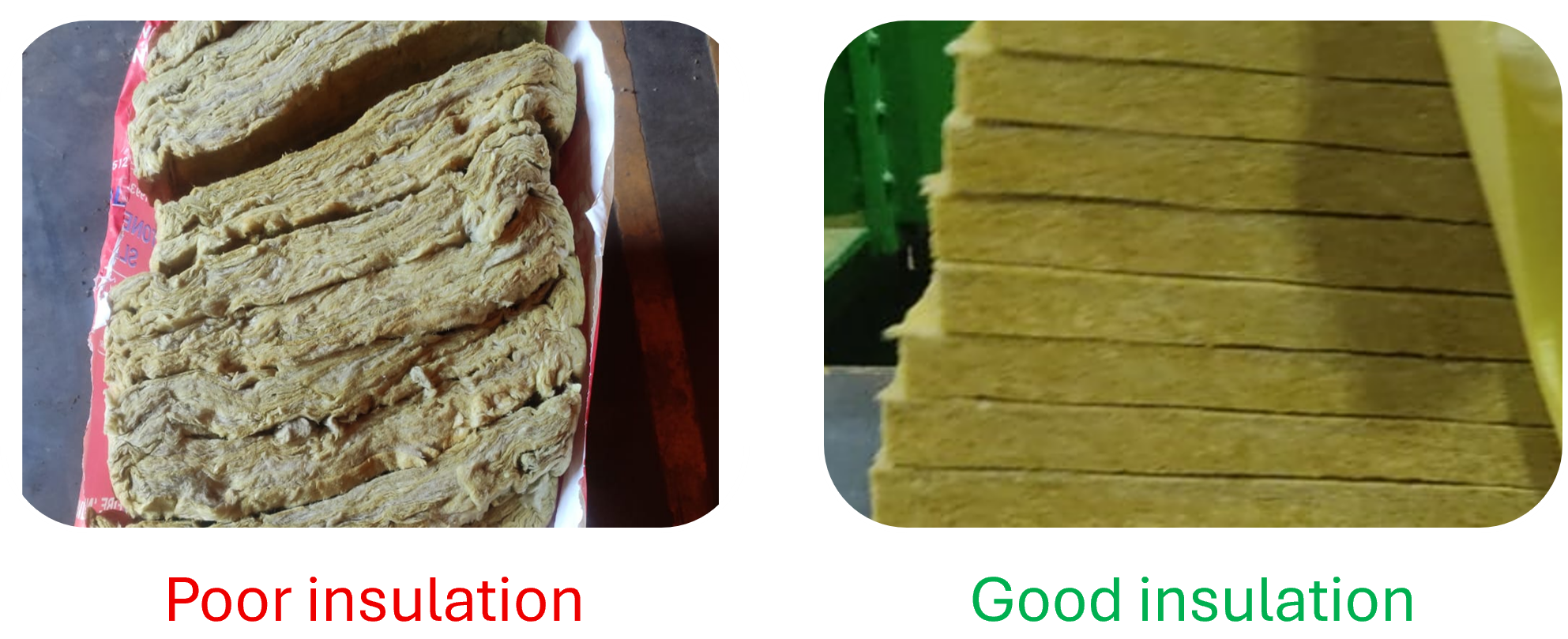
These issues can arise due to multiple factors. However, one of the most significant contributors is insulation quality.
For equipment operating above 50°C, the quality of insulation has a direct impact on system performance and energy efficiency. As operating temperatures increase, the losses associated with poor-quality insulation become increasingly significant. Even when the correct insulation type is selected, the quality of the final product ultimately determines its reliability, longevity, and thermal performance.
The Challenge of Product Identification
An interesting observation within the insulation industry is that a single insulation product is often referred to by multiple names by different stakeholders.
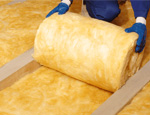
For example, an LRB Mattress is a stone wool insulation product, which itself belongs to the broader category of mineral wool insulation. However, designers, consultants, contractors, purchasers, and end users frequently use different terminology for the same product.
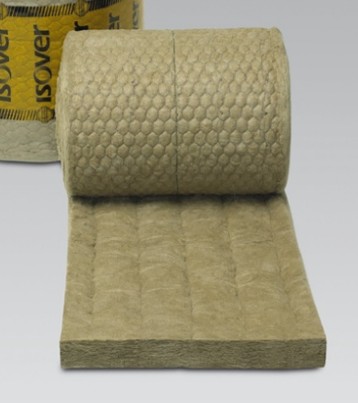
This inconsistency creates confusion during specification, procurement, and installation. In many cases, the ambiguity creates a loophole through which lower-quality materials can be substituted, ultimately affecting the performance of the installed insulation system.
The most effective way to prevent such issues is:
- Develop a comprehensive and unambiguous insulation specification.
- Conduct quality verification checks upon material receipt and during installation.
What Should an Insulation Specification Include?
A robust insulation specification should clearly define the technical parameters that directly influence thermal performance, durability, safety, and sustainability.
The table below lists key parameters that should be incorporated into an insulation specification. These recommendations are based on current standards and industry best practices, with the objective of maximizing insulation performance, improving energy efficiency, and supporting sustainability goals.
| Sr. No. | Parameter | Standard | Typical Requirement | Benefit |
|---|---|---|---|---|
| 1 | Make / Brand | Customer approval process | Example: Saint-Gobain Rockinsul | Ensures genuine stone wool material |
| 2 | Product Description | Defined in specification | Stone Wool LRB Mattress | Eliminates confusion between brand and product category |
| 3 | Wire Mesh | Customer requirement | GI, ¾", 24G (0.56 mm) or any other | Ensures correct reinforcement and product integrity |
| 4 | Health Safety & Biosolubility (Non-carcinogenic) | Note Q of Regulation (EC) No. 1272/2008 | EUCEB Certified | Ensures health-safe fibers and consistent chemistry |
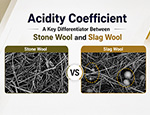
| 5 | Acidity Coefficient (Mk) | Mk | ≥ 1.6 | Lower thermal conductivity, improved fiber quality, enhanced corrosion resistance and fire performance |
| 6 | Maximum Service Temperature (MST) | AGIQ 132 / ASTM C447 / ASTM C411 / EN 14706 | 750°C | Meets application requirements |
| 7 | Melting Point | ASTM E794 | 1200°C | Prevents confusion between service temperature and melting point |
| 8 | Density Tolerance | IS 8183, IS 3144 | ±10% | Performance remains closer to design calculations |
| 9 | Thickness Tolerance | IS 8183, IS 3144 | -2 mm, +6 mm | Uniform finish and improved cladding fitment |
| 10 | Thickness Recovery After Compression | IS 8183 | >90% of declared value | Improved insulation performance and long-term effectiveness |
| 11 | Fire Safety (Mass Loss) | IS 8183, IS 3144 | <5% | Improved fire performance |
| 12 | Fire Safety (Combustibility) | BS 476 Part 4 | Non-combustible | Enhanced fire safety |
| 13 | Leachable Chloride Content | IS 8183 | <10 ppm | Reduced risk of Corrosion Under Insulation (CUI) |
| 14 | Sulphur Content | IS 8183, IS 3144 | <0.2% | Reduced CUI risk |
| 15 | Corrosion Control | ASTM C692 | No signs of external corrosion cracking | Validation through actual metal coupon testing for 28 days |
| 16 | Moisture Content / Absorption | IS 8183, IS 3144 | <2% | Reduced CUI risk and improved thermal performance |
| 17 | Shot Content | IS 8183, IS 3144 | No shot >5 mm; combined limit of 500, 250 & 150 μm <25% | Better insulation performance, reduced dusting, lighter product |
| 18 | Linear Shrinkage | IS 8183, IS 5724 | <2% | Prevents gap formation and thermal losses |
| 19 | Resistance to Vibration | IS 8183, IS 3144 | <1% | Minimizes fiber settlement and extends service life |
| 20 | Resistance to Jolting | IS 8183, IS 3144 | <3% | Minimizes fiber settlement and extends service life |
Site-Level Quality Verification
In addition to defining quality requirements in the specification, it is equally important to verify compliance upon material receipt at site.
Various tests prescribed under IS 3144 can be carried out to confirm that the supplied material meets the specified requirements.
Similarly, the authenticity of EUCEB certification should always be verified through the official EUCEB certification database before acceptance.
Conclusion:
Selecting the right insulation is only the first step toward achieving energy efficiency and reliable thermal performance. Equally important is ensuring that the selected insulation consistently meets the required quality standards.
A well-defined specification, combined with rigorous quality control checks, helps eliminate ambiguity, prevents material substitution, reduces operational losses, and enhances long-term system reliability.
By focusing on both correct insulation selection and verified product quality, industries can maximize energy savings, improve process efficiency, reduce maintenance costs, and take a meaningful step toward sustainability and CO₂ emission reduction.
Latest Blogs