How Glass Wool is Made: From Recycled Glass to Smart Insulation
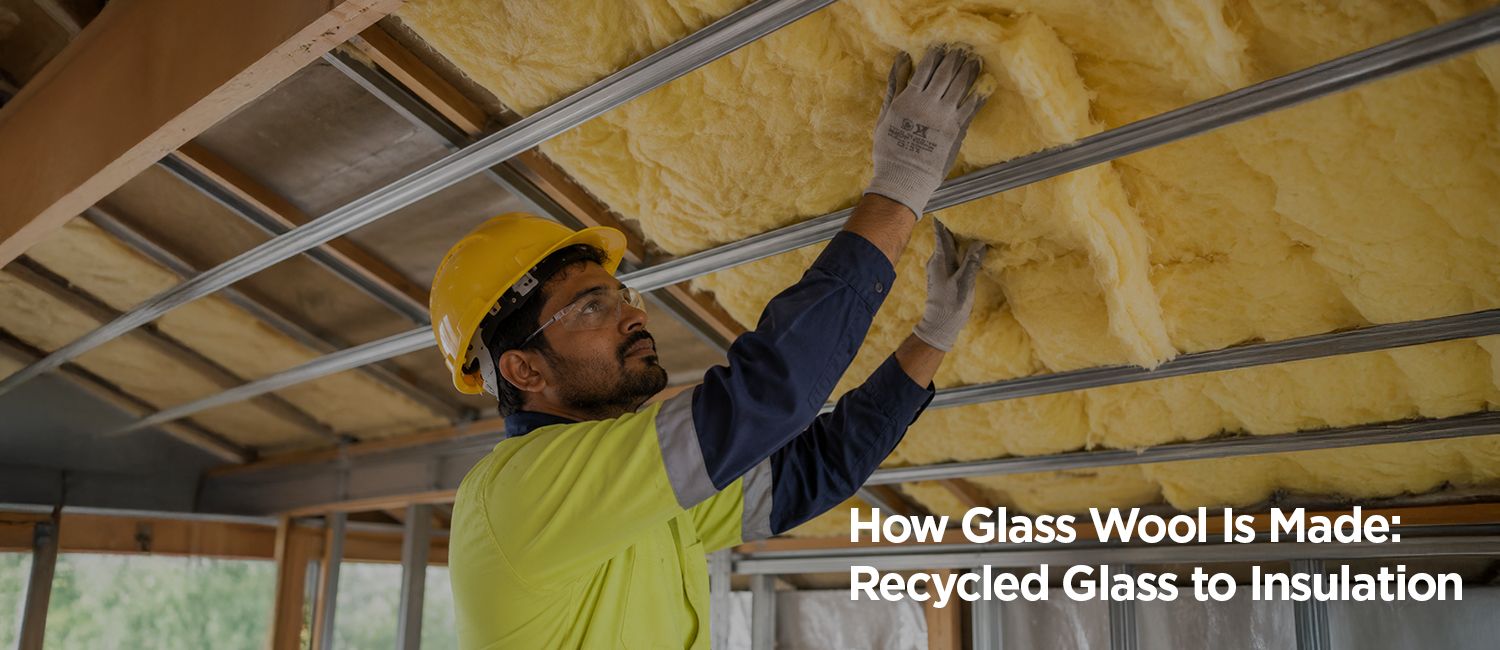
Every Great Insulation Material Starts with a Piece of Glass
Imagine an empty glass bottle. Once discarded, it could have ended up in a landfill. Instead, it can begin an entirely new journey one that transforms it into high-performance insulation used in homes, commercial buildings, factories, hospitals, and HVAC systems.
Glass wool is one of the most sustainable insulation materials available today because it combines recycled glass with carefully selected raw materials to create millions of fine mineral fibres that provide excellent thermal insulation, acoustic comfort, and fire safety.
But how does a glass bottle become a soft insulation roll?
Let's explore the complete manufacturing journey.
The Journey of Glass Wool: Step by Step
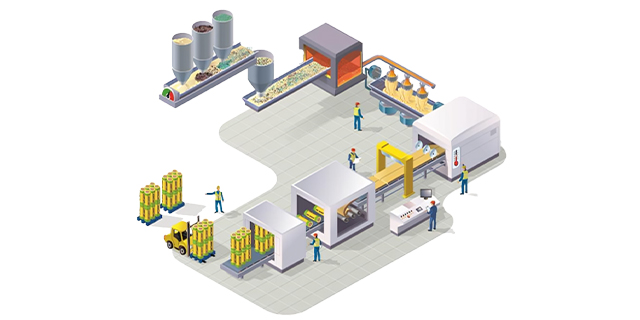
Step 1 – Raw Material Preparation
Everything begins with two key ingredients:
- Recycled glass (cullet)
- High-purity silica sand
The recycled glass is cleaned, sorted, and crushed before being blended with silica sand and other carefully controlled minerals. Maintaining the right chemical composition is essential to ensure consistent insulation performance.
Step 2 – Melting
The blended materials are fed into a high-temperature furnace operating at approximately 1,400–1,500°C.
At these temperatures, the materials melt into a uniform molten glass, ready for the next stage of manufacturing.
Step 3 – Fiber Formation (Ferberization)
This is where the transformation truly happens.
The molten glass passes through high-speed centrifugal spinners that stretch it into extremely fine fibers much finer than a human hair.
These microscopic fibers create countless tiny air pockets, which are responsible for glass wool's excellent thermal and acoustic insulation properties.
Step 4 – Binder Application
As the fibers are formed, a specially formulated binder is evenly sprayed onto them.
The binder:
- Holds the fibers together
- Gives the insulation its shape
- Provides structural stability during installation
Step 5 – Forming and Curing
The fiber mat is compressed to achieve the required thickness and density before passing through a curing oven at approximately 200–250°C.
During curing, the binder hardens and permanently locks the fibers into place, ensuring the product retains its dimensions and performance over time.
Step 6 – Cutting and Finishing
The cured insulation is trimmed and cut into its final forms, including:
- Rolls
- Batts
- Boards
- Pipe Sections
Each product undergoes quality checks before being packaged and shipped for construction and industrial applications.
Glass Wool Manufacturing at a Glance:
| Step | Process | Purpose |
|---|---|---|
| 1 | Raw Material Preparation | Prepare recycled glass and silica sand |
| 2 | Melting | Convert raw materials into molten glass |
| 3 | Ferberization | Form fine mineral fibers |
| 4 | Binder Application | Bond fibers together |
| 5 | Forming & Curing | Achieve required density and strength |
| 6 | Cutting & Finishing | Produce finished insulation products |
Why Is Silica Sand Important?
Although recycled glass forms a significant portion of the raw material, it cannot be used alone.
Different sources of recycled glass such as bottles, windows, and flat glass contain varying chemical compositions. Without correction, these variations could affect fiber quality and insulation performance.
High-purity silica sand provides the consistency needed to manufacture glass fibers with uniform diameter, strength, and thermal properties.
For glass wool production, the silica sand must meet strict quality requirements:
- High Purity: Low iron oxide content helps maintain glass quality.
- Controlled Grain Size: Ensures uniform melting.
- Reliable Chemical Composition: Delivers consistent product performance.
Simply put, silica sand provides the stability that allows recycled glass to become a high-performance insulation material.
How Much Recycled Glass Is Used?
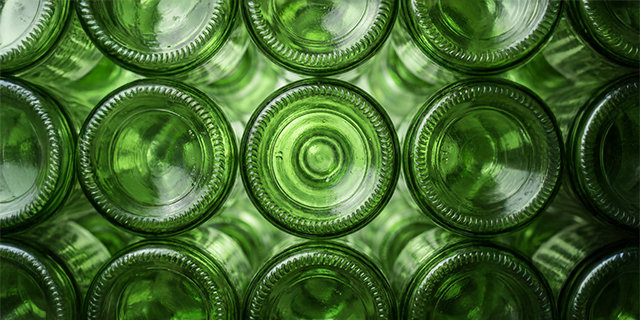
One of glass wool's greatest environmental advantages is its high recycled content.
Modern manufacturing plants can use up to 80% recycled glass (cullet), sourced from both post-consumer and post-industrial waste streams.
Using recycled glass offers several sustainability benefits:
- Reduces landfill waste
- Conserves natural resources
- Lowers demand for virgin raw materials
- Requires less energy during melting
- Reduces embodied carbon
Because cullet melts more easily than virgin raw materials, it also helps improve furnace efficiency and lower energy consumption during manufacturing.
More Than Just Recycling: Long-Term Performance
The sustainability of glass wool doesn't end with its manufacturing process.
Once installed, it continues delivering benefits throughout the life of the building by helping:
- Reduce heating and cooling energy consumption
- Improve indoor acoustic comfort
- Enhance fire safety
- Increase occupant comfort
- Lower operational carbon emissions
This combination of recycled content and long-term energy savings makes glass wool an environmentally responsible insulation choice.
Conclusion
From discarded glass (not specifically bottles) to high-performance insulation, the manufacturing of glass wool is an excellent example of how recycling and advanced engineering come together to create sustainable building materials.
By combining recycled glass with carefully selected silica sand, manufacturers produce insulation that not only reduces waste but also improves energy efficiency, acoustic comfort, and fire performance for decades.
Whether used in residential buildings, commercial spaces, industrial facilities, or HVAC systems, glass wool continues to play an important role in creating safer, quieter, and more energy-efficient buildings.
Looking for the right insulation solution for your next project? Our experts are here to help. Reach out to us at sgindia.insulation@saint-gobain.com.
Latest Blogs